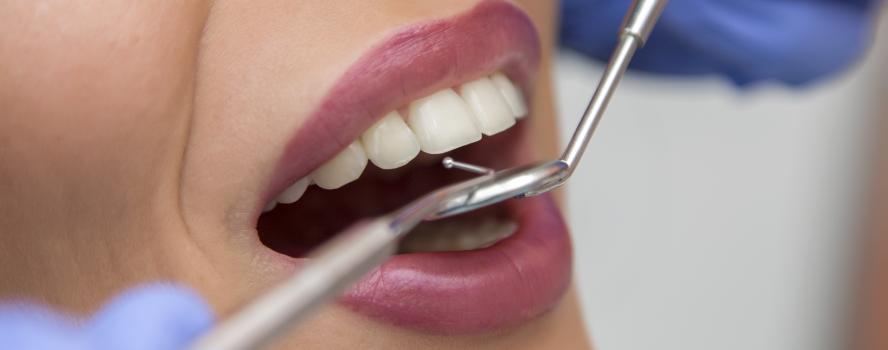
Oral hygiene and cleaning, the routine procedures performed by our talented and friendly hygienists, are the cornerstones of dental care. Why? Because oral hygiene and cleaning is doing more than just providing you with a good looking smile. It’s vital for your oral health and overall well-being.
Oral hygiene and cleaning is also called preventative dentistry, as these procedures keep teeth healthy and can actually prevent many dental issues from forming. In other cases, an examination will pick up on small problems so they don’t become large ones, requiring extensive further procedures.
Here’s what we do to keep you healthy:
Cleaning and scaling
Our professional tools get rid of all your plaque and tartar, protecting you from tooth decay and gum disease.
Polishing
Post cleaning, polishing the tooth surface gives it a smoother texture, which makes it that much more difficult for new plaque to take hold. Also, it makes them super shiny!
Fluoride
This essential treatment reinforces teeth to give them strength and resilience against potential decay.
X-Rays
By keeping up to date on what’s going on below the surface of your gums, we can spot and keep track of potential problems before they start. Forewarned is forearmed!
Proper Brushing/Flossing Education
We don’t just send you home with beautifully clean teeth. We also arm you with knowledge, making certain that you know the best way to continue taking care of your teeth and gums at home between routine visits.
Oral health isn’t just about keeping your smile intact. Studies have shown that oral health impacts our overall health as well. So don’t skip those preventative dentistry appointments! We’re here to help you keep your healthy smile for a lifetime.